
Free Advanced Radio System by 0Resmon
FREE
Choose your voice integration before configuring channels and radio access
FiveM resource updates included
ESX scripts handle the core systems most FiveM servers rely on: job progression, vehicle management, heist coordination, and the economy loop that ties roleplay moments together. This collection is organized by use case, with clear notes on framework support and what has to be running before you install.

Choose your voice integration before configuring channels and radio access

Prepare OneSync, database resources and stock rules before opening sales

Match Gabz service points to your inventory, target and society resources

Configure status visibility and vehicle instruments for ESX or QB-Core

Choose open access or supported job restrictions before enabling scans

Choose voice integration and configure stress, seatbelt and vehicle exclusions
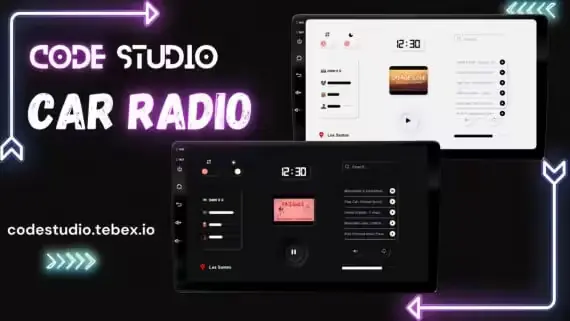
Connect Xsound before configuring passenger controls and vehicle access

Editable island maps and production timing for your server economy

Connect the included bridge before configuring appliances and crafting checks

Preserve item metadata while moving inventory objects into the world

Set attempt rules and connect a standalone keypad to your existing interaction

Review inventory compatibility, job checks and spray effect settings first

Connect compatibility hooks before configuring lab progression and item effects

Draw territory boundaries and configure the economy before enabling claims

Choose society banking and duty rules before configuring employee progression

Choose hand delivery or supported inventory item mode after installing gfx-lib
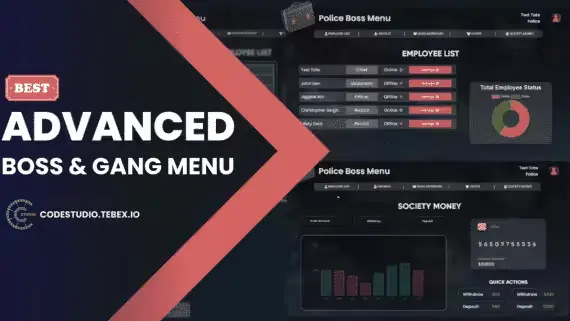
Choose society interactions and staff logging before configuring employee access

Import existing doors before configuring building access and relock rules

Configure the sprint approach and recovery time for a standalone tackle

Set vehicle eligibility and optional item installation before enabling tracking

Configure persistent vehicle storage around job access and passwords

Connect washing and security interactions to your existing target resources

Choose item or command activation and restrict weapons used behind shields

Connect skill checks and target interactions before setting recipe progression
ESX resources do much more than add commands or menus. They manage money flow, create progression systems, and build the daily routines that turn roleplay into a living city. A well-chosen ESX script fits your existing framework configuration, respects your economy balance, and gives admins the config options to tune it without touching core code.
The sample scripts in this category show the range: garage and impound systems, dealership fronts, mechanic shops, job systems, heist missions, criminal enterprises, and utility tools that other scripts depend on. These are the backbone of established servers. Finding the right ones matters more than quantity.
ESX scripts are not interchangeable with QBCore or Qbox. If a resource doesn't explicitly say it supports another framework, it only works with ESX. Some authors offer multi-framework versions; the listing will note that. Never assume a script works outside its stated framework.
Installation steps differ by script but usually follow this pattern: unzip the resource folder into your resources directory, import any SQL files into your database, review and edit the config file, add any missing dependencies, restart the resource, and check the console for errors. Some scripts need vehicle registration or item creation before players can use them.
Before going live, run the script in a test environment that mirrors your production setup. Create a test character, go through each action the script offers, watch for console spam, check database entries, and restart the script a few times to confirm data persists. This catches broken dependencies, missing config values, and database issues before they affect your community.
Finding trustworthy ESX resources scattered across Discord servers, GitHub gists, and personal pages is exhausting. This category brings proven resources into one searchable collection so you can compare what each script actually does, what it requires, and how it shapes gameplay.
When you build with resources from this page, you see framework notes on every listing. You compare dependencies side by side. You understand which scripts integrate with your current setup and which require new infrastructure. That clarity saves time and protects your economy from poorly chosen tools.
Whether you are launching a new city, refreshing a five-year-old server, or filling a gap in your script stack, browse by what you actually need: a garage system, a job framework, a heist loop, or an admin utility. Buying through a focused marketplace is faster and cheaper than learning the hard way.
Not by default. ESX scripts are built for the ESX framework specifically. If a listing says it supports QBCore or Qbox as well, that information appears on the product page. Otherwise treat it as ESX-only unless the author provides a bridge.
ESX scripts often depend on inventory systems, menus, targets, phones, or notifications. Before you buy, check the listing for a dependency list. Most resources need those systems already running on your server to work correctly.
Good listings note client loops, database queries, and event rates. Test new scripts in a staging environment with players online before launching to production. Watch for console errors and use resmon or similar tools to spot heavy resource use.
That depends on the licensing. Some resources come fully open and editable. Others are closed source or restrict modifications. The product page should say what you can and cannot do with the code.
Stop the resource cleanly, replace the files, restart it, and check for errors. If the update changes database tables or config, review the changelog first. Test updates in staging when possible to catch conflicts with other scripts.
ESX scripts usually require you to add items to your database and set prices or spawn rates in the config. The product page should explain the config files and what values to tune. Balancing rewards against your server's pay rates keeps the economy healthy.
Check your current ESX build. Most scripts support either ESX Legacy or modern ESX but not always both. The listing should note which version. If you are migrating, test the script on your target version first.